Every four years, a grand spectacle unfolds in the heart of the nation, and no, it’s not just another episode of a reality show. It’s Presidential Inauguration Day, a day when the newly elected leader takes the oath of office amidst cheers, tears, and a sea of flags. But what day does this all-important event actually fall on?
Understanding Presidential Inauguration
Presidential Inauguration Day takes place on January 20 following the presidential election held in November. This day marks the official transition of power, enabling the new president to assume office. The inaugural ceremony features the newly elected president taking the oath of office, a pivotal moment in American democracy.
Significant traditions accompany this event. A public swearing-in ceremony occurs at the U.S. Capitol, attended by high-profile officials, members of Congress, and citizens. Celebrations often include parades, musical performances, and other festivities, reflecting national pride and unity.
The U.S. Constitution states the inauguration must occur on January 20, ensuring consistency in the timing of this important event. Historically, inaugurations took place in March until the 20th Amendment was ratified in 1933, moving the date to January. This change aimed to reduce the length of time between the election and when the new president could begin governing.
Presidential inaugurations symbolize a peaceful transfer of power, reinforcing democratic principles. It provides an opportunity for citizens to witness the democratic process in action. Various forms of media broadcast the event, ensuring widespread accessibility and engagement throughout the country. The pomp and circumstance surrounding the inauguration highlights the significance of the occasion, capturing attention from both domestic and international audiences.
Historical Significance of Inauguration Day
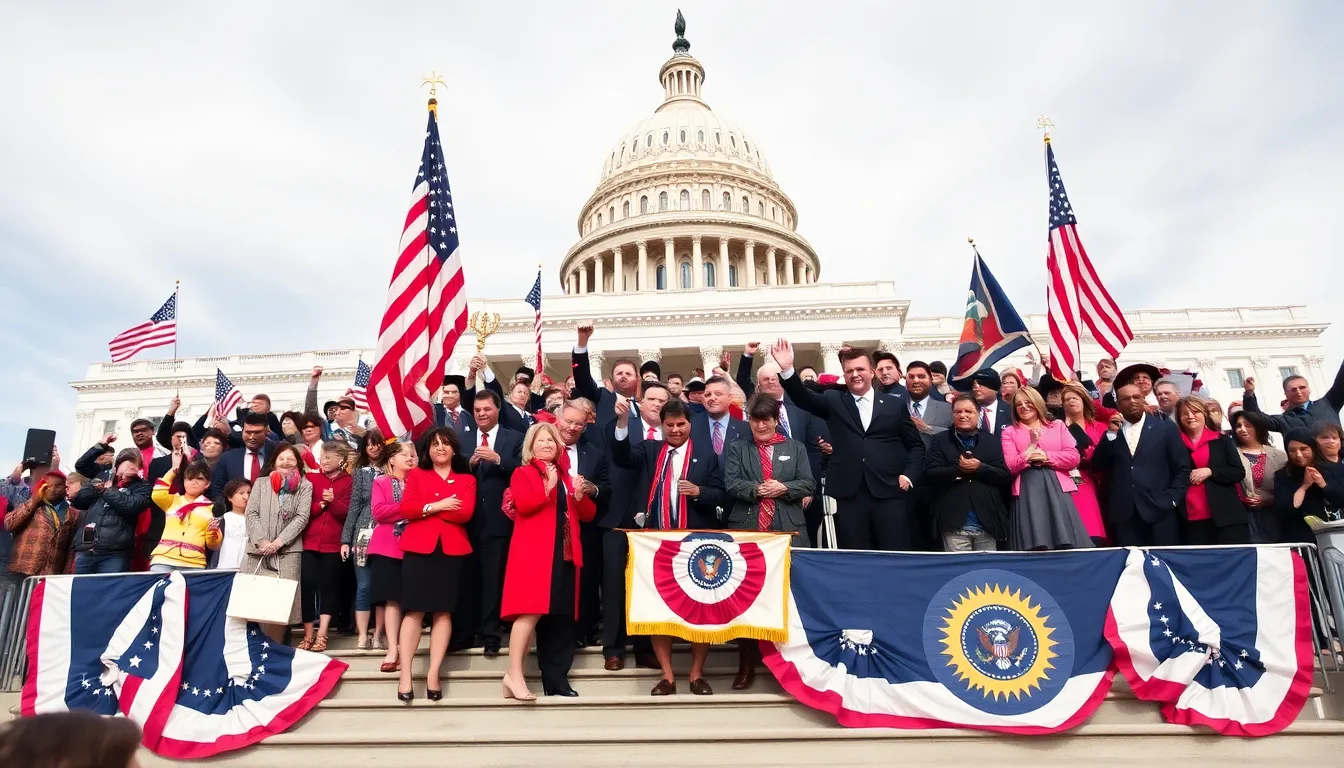
Inauguration Day marks a critical moment in U.S. history, showcasing the democratic process and the peaceful transfer of power among leaders.
The 20th Amendment
The 20th Amendment, ratified in 1933, establishes January 20 as Inauguration Day. By modifying the inauguration timeline, this amendment reduces the gap between the election and the start of a new presidential term. Prior to this, inaugurations took place in March, causing potential delays in leadership transition. This change reflects a commitment to efficiency and continuity in governance.
Traditions and Ceremonies
Traditions surrounding Inauguration Day enrich the ceremony and reflect national values. A public oath-taking occurs at the U.S. Capitol, often accompanied by a ceremonial speech from the new president. Celebrations include parades featuring military displays and musical performances, enhancing public participation. Various officials and citizens attend the events, fostering a sense of unity and national pride. As festivities unfold, they symbolize hope and commitment to democracy.
What Day Is the Presidential Inauguration?
Presidential Inauguration Day occurs on January 20 following the presidential election. This date marks a significant transition in U.S. governance, when the newly elected president officially assumes office.
Current Schedule and Timing
Inauguration Day ceremonies follow a set schedule, typically starting at noon eastern standard time. The swearing-in ceremony takes place at the U.S. Capitol, where the president takes the oath of office. Following this, inaugural parades and celebrations commence, often featuring musical performances and speeches. Major networks broadcast the event, ensuring nationwide access for the public to participate in this significant moment.
Future Dates and Changes
Future inaugurations will continue to occur on January 20, as stipulated by the 20th Amendment. This amendment set the date to ensure a more efficient transition of power. As political landscapes evolve, unforeseen circumstances could lead to discussions about altering this schedule. However, any change would require significant legislative action, reflecting the commitment to preserving the democratic process.
Impact on American Politics
Presidential Inauguration Day significantly influences American political culture and civic engagement. Major public participation occurs during this event, where citizens from various backgrounds gather to witness history.
Public Participation and Engagement
Citizens often travel to Washington, D.C. to attend the swearing-in ceremony. Many communities organize local events, allowing individuals to celebrate the inauguration in their hometowns. Involvement fosters a sense of belonging, as parades and viewing parties unite diverse groups. Schools and organizations use the occasion to educate youth on the democratic process, reinforcing civic responsibility. Engagement with the day’s events promotes discussions around political issues, enhancing public awareness and participation.
Media Coverage and Reactions
Extensive media coverage characterizes Inauguration Day, capturing the ceremony’s significance and traditions. News outlets provide live broadcasts, ensuring nationwide access to the event. Social media platforms experience heightened activity, as users share real-time reactions and commentary. Coverage reflects various perspectives, showcasing both support and dissent regarding the new administration. Such immediate feedback enables public discourse, influencing opinions and setting the stage for future political dialogues.
Presidential Inauguration Day is more than just a date on the calendar; it’s a profound moment in American democracy. Occurring on January 20, it signifies the peaceful transition of power and the renewal of national commitment to democratic values. The traditions and ceremonies surrounding this day not only celebrate the newly elected president but also engage citizens across the country in the political process.
As the nation comes together to witness this pivotal event, it reinforces the importance of civic participation and the shared responsibility of governance. With each inauguration, Americans reaffirm their dedication to democracy and the ideals that unite them. This day serves as a reminder of the ongoing journey of democracy and the collective hope for a brighter future.