
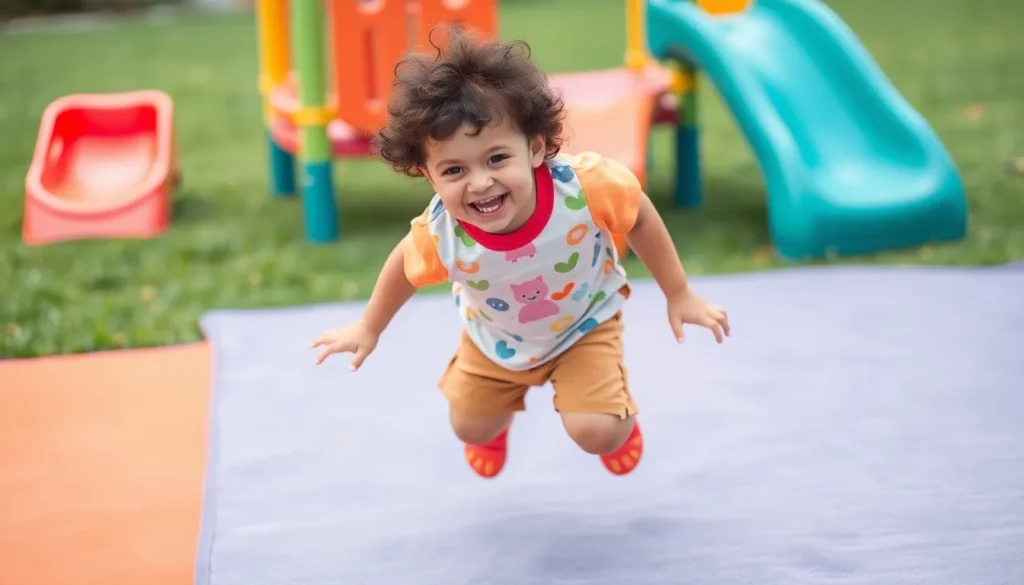
Watching a toddler take their first leap into the air is like witnessing a mini superhero in action. Those little legs, filled with boundless energy, spring into motion as they attempt to defy gravity—often with hilarious results. But when exactly do these pint-sized athletes master the art of jumping?
When Do Toddlers Learn To Jump
Jumping is a skill that develops as toddlers grow. Typically, children begin to jump around age two. At this stage, they can often jump in place, using their legs to propel themselves off the ground.
By the time they reach three years old, many toddlers can jump forward consistently. This leap marks a significant advancement in their physical coordination. Daily activities enhance their ability to jump. Climbing on playground equipment and engaging in active play fosters strength and balance.
Around four years old, children can typically jump over objects. This capability showcases improved motor skills and confidence. They often enjoy games that involve jumping, like hopscotch or obstacle courses. Each new transition in their jumping ability reflects growth in muscle strength and control.
Observing a toddler’s progress is exciting. Parents can encourage jumping through playful activities. Consider holding out a soft object for them to jump over. Not only does this promote physical development, it also builds coordination and balance.
Consistency plays a role in mastering the jump. Regular practice leads to noticeable improvements in technique and confidence. Understanding these milestones aids caregivers in supporting their child’s physical growth. Tracking a toddler’s jumping development enhances engagement in active learning.
Key Milestones in Toddler Development
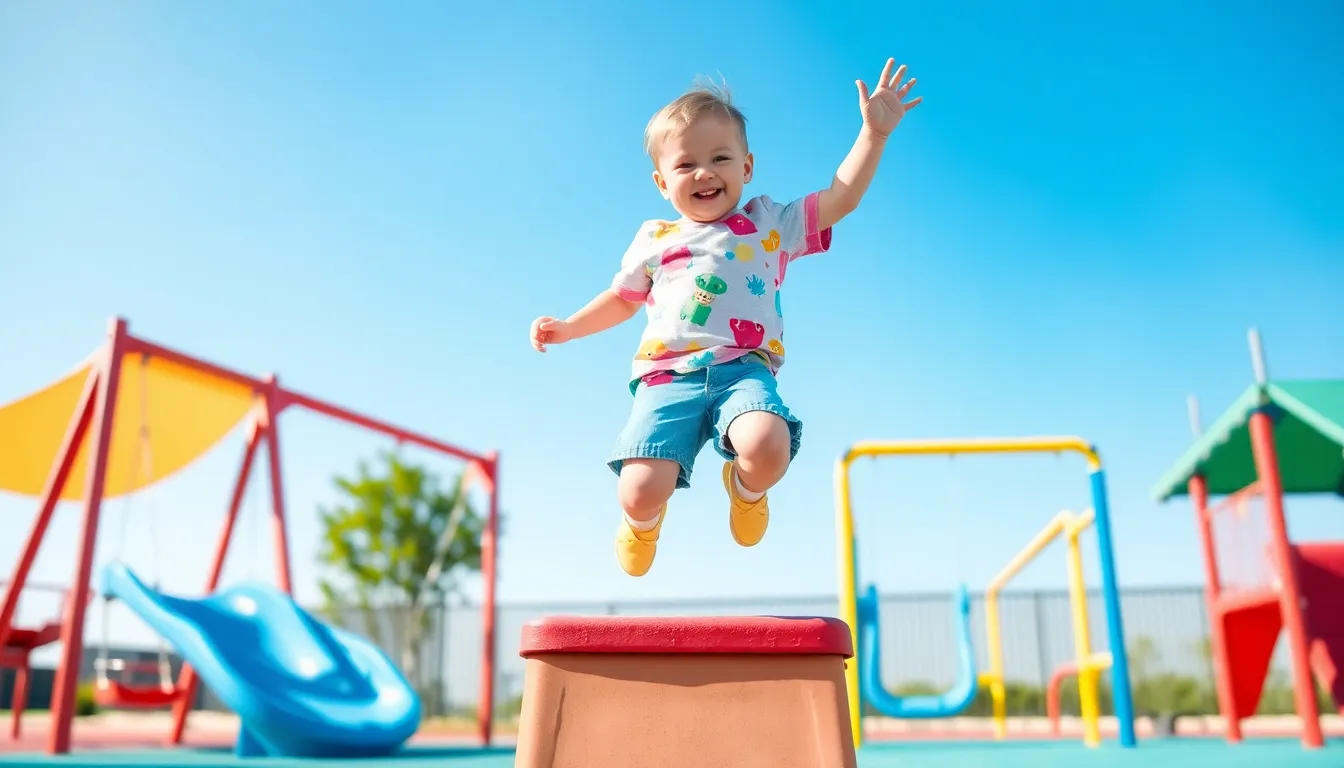
Understanding key milestones in toddler development provides insight into their learning process. Jumping is a thrilling achievement that showcases various aspects of growth.
Physical Development
Physical development plays a crucial role in a toddler’s ability to jump. At approximately two years old, children begin to jump in place, demonstrating initial strength and balance. Around three years, they can often jump forward, indicating significant progress. By four years of age, many toddlers jump over small obstacles, revealing enhanced muscle coordination. Engaging in activities like climbing, running, and playing on playground equipment improves their jumping skills. Encouraging these playful activities supports their physical growth and helps solidify their newfound abilities.
Coordination Skills
Coordination skills are essential for successful jumping. Toddlers refine these skills through practice, which occurs naturally during play. Jumping requires timing, balance, and body awareness. Typically, as they approach three years, improved hand-eye coordination contributes to their jumping techniques. By age four, children exhibit more confidence as they jump over objects and begin to experiment with different jumping styles. Consistent practice in playful environments fosters better coordination and encourages toddlers to explore their physical limits. These milestones guide caregivers in promoting active play that strengthens coordination skills.
Factors Influencing Jumping Ability
Toddler jumping ability isn’t solely dependent on age; various factors play a crucial role in this developmental milestone.
Age and Growth
Age profoundly influences jumping skills. Around two years old, many children demonstrate the ability to jump in place, showcasing emerging coordination. By three years of age, toddlers typically can jump forward, indicating improved strength and balance. Growth spurts also contribute to this progress, affecting muscle strength and coordination. By four years, numerous kids can efficiently jump over small obstacles, highlighting significant advancements in their physical development. Regular practice during active play supports growth, fostering confidence and mastery in jumping.
Environment and Opportunities
The environment shapes a toddler’s jumping skills significantly. Access to safe play areas encourages exploration and physical activities. Opportunities to engage with playground equipment, such as slides and climbing structures, enhance their jumping capability. Additionally, caregiver involvement during play promotes confidence and motivation. Consistent exposure to various playful activities strengthens coordination and builds muscle memory. Spaces that offer a variety of jumping surfaces, like grass or soft mats, enable toddlers to practice safely and effectively. An enriched environment can inspire a child’s desire to jump, facilitating skill advancement.
Activities to Encourage Jumping
Encouraging toddlers to jump involves engaging activities that promote both fun and safety.
Safe Spaces for Practice
Safe spaces allow toddlers to practice jumping without the risk of injury. Grass fields or soft mats provide excellent surfaces that cushion falls. Parents can designate specific areas at home, like living rooms with ample floor space, ensuring safety while still allowing freedom to explore movement. Supervised play structures in parks create opportunities for jumping, offering a chance to jump from low heights. Regularly checking the environment for hazards, such as sharp objects or obstacles, ensures a secure practice area. With the right space, children can confidently develop their jumping skills.
Fun Games and Exercises
Fun games make jumping an enjoyable experience for toddlers. Jumping over small pillows or soft toys can create a playful obstacle course. Incorporating music and rhythm encourages them to jump in time with songs, adding an element of entertainment. Games like “Jump like a Frog” or “Hopscotch” introduce a variety of jumping styles and techniques. Parents can join in to model movements and cheer them on, enhancing engagement. Incorporating jumping into dance or movement activities fosters a positive attitude towards physical play. With regular participation, toddlers refine their jumping skills while having fun.
Watching toddlers learn to jump is a joyful experience that showcases their growing physical abilities. As they progress from jumping in place to leaping over obstacles, each milestone reflects their developing coordination and confidence. The environment plays a vital role in this journey, providing safe spaces and engaging activities that encourage practice.
Caregivers can enhance this learning process by being actively involved in play. By introducing fun games and ensuring safe areas for exploration, toddlers can refine their jumping skills while enjoying the process. Embracing these moments not only supports physical development but also fosters a sense of achievement in young children.

